



Orange wine can refer to two very different styles of wine. One is made from white grapes fermented with their skins – often called skin-contact wine. The other, far less commonly explained, is a traditional Spanish fortified wine infused with bitter oranges, known as Vino de Naranja.
If you’re wondering what is orange wine, the answer depends on which style you’re talking about.
The modern wine world often uses the term to describe white wine fermented with grape skins, which gives the wine a deeper amber colour and a firmer, more textured mouthfeel.
But in parts of southern Spain – particularly Andalucía – orange wine has a much older and more literal meaning. Here, producers make Vino de Naranja, a fortified wine where bitter orange peel and flesh are infused into a concentrated wine base for months, creating a drink that balances citrus bitterness with rich sweetness.
Both styles share the same name, but they are produced very differently – and understanding the difference helps explain why orange wine can taste so varied.
WHY IT'S CALLED ORANGE WINE
The name “orange wine” doesn’t always mean the wine contains oranges. In the modern wine world, the term refers to the colour of the wine rather than its ingredients. White grapes fermented with their skins develop deeper hues – ranging from golden amber to copper – because pigments and tannins are extracted from the grape skins during fermentation.
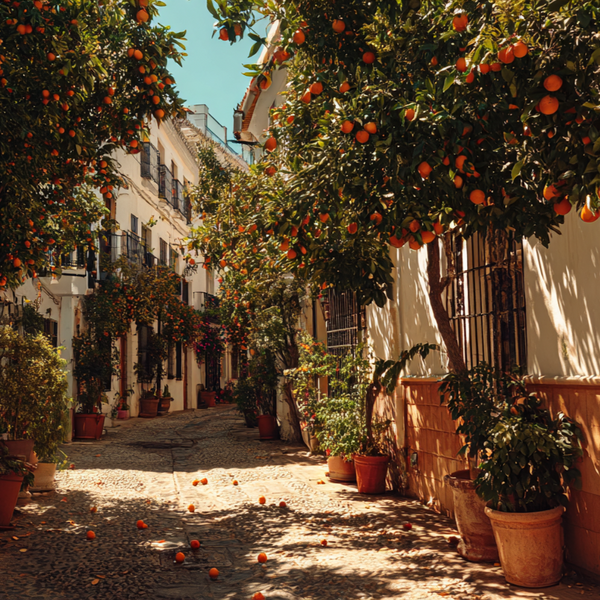
However, in traditional Spanish styles such as Vino de Naranja, the name is more literal. These wines develop their character from the bitter Seville oranges that line the streets of Southern Spain. The orange peel and fruit is infused into fortified wine, giving them unmistakable citrus aromas and flavours.
In both cases, the colour often deepens over time through gentle oxidation during ageing, a traditional technique that adds nuttiness, warmth and complexity.
The Types of Orange Wine
“Orange wine” describes a category rather than a single winemaking method. Broadly speaking, the name can refer to two distinct styles.
Understanding the difference helps explain why some orange wines feel structured and tannic while others taste richer, sweeter and more aromatic.
Vino de Naranja (Traditional Spanish Orange Wine)
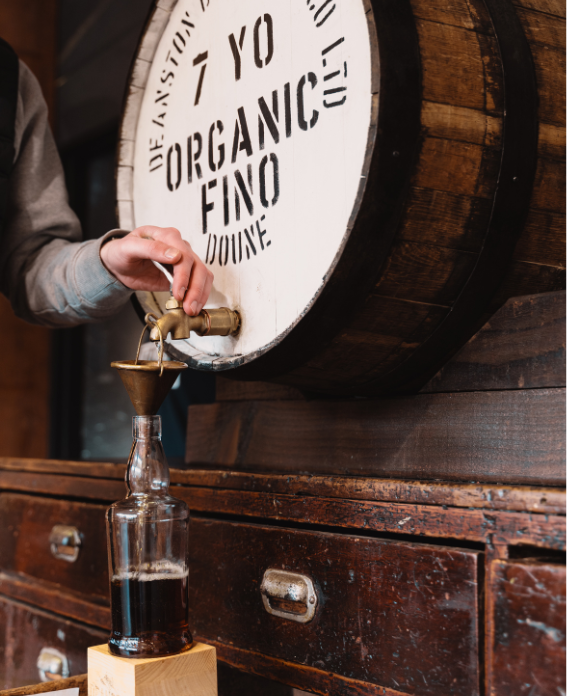
The style most closely linked to the casks used for Deanston 17 Year Old Orange Wine Cask Finish is Vino de Naranja, a historic fortified wine from Andalucía in southern Spain.
Rather than relying on grape skins for colour, this wine is made by infusing bitter orange peel – and sometimes flesh – into a fortified wine base.
The process works roughly like this:
- A fortified wine base is created.
- Dried bitter orange peel and fruit are added to the wine.
- The mixture infuses for months, allowing citrus oils and flavours to integrate.
- The wine is aged using a solera system, where older and younger wines are gradually blended together over time.
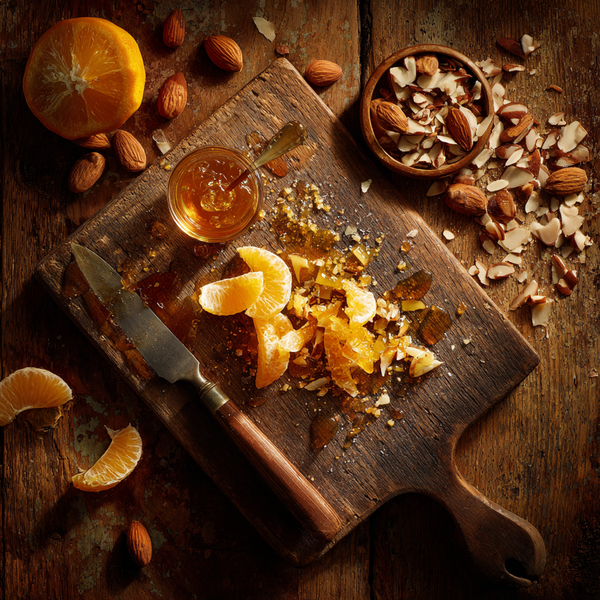
This slow maturation develops a complex balance of bitterness, sweetness and oxidative richness.
Expect flavours such as:
- Marmalade
- Honeyed citrus peel
- Toasted almonds
- Dried orange
- Soft spice
The result is a wine that feels deeply aromatic, rounded and layered, rather than sharply acidic.
Skin-Contact Orange Wine (Modern Style)
The version most people mean when they talk about orange wine today is skin-contact white wine.
In this method, white grapes are fermented with their skins left in contact with the juice – the same technique used to make red wine.
The process looks like this:
- White grapes are crushed.
- Skins remain in contact during fermentation.
- The wine is pressed once fermentation finishes.
Because the skins remain in contact with the juice, the wine extracts tannins, colour and phenolic compounds.
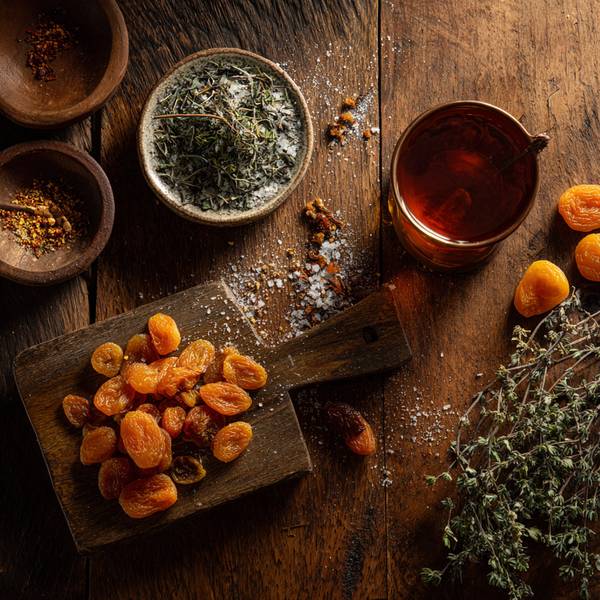
This creates wines that often feel more structured than standard white wines, with flavours such as:
- Dried apricot
- Tea-like tannins
- Herbs
- Gentle spice
These wines tend to be drier and more textured, with a slight grip on the palate.
How Orange Wine Is Made?
Because the term covers multiple styles, how orange wine is made depends on the type.
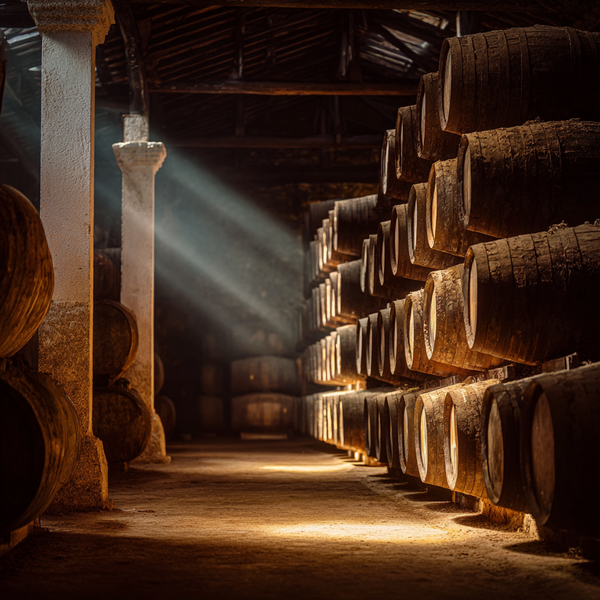
INFUSION AND SOLERA AGING (VINO DE NARANJA)
For traditional Spanish orange wines, the key process is infusion rather than skin fermentation. Bitter oranges – typically from local varieties grown throughout Andalucía – are dried and added to fortified wine, where they release aromatic oils, sweetness and bitterness.
The wine then matures using a solera ageing system, similar to that used for sherry. Barrels are stacked in tiers, and small portions of wine are periodically blended from older and younger casks.
This gradual blending creates consistency while building layered, mature flavours.
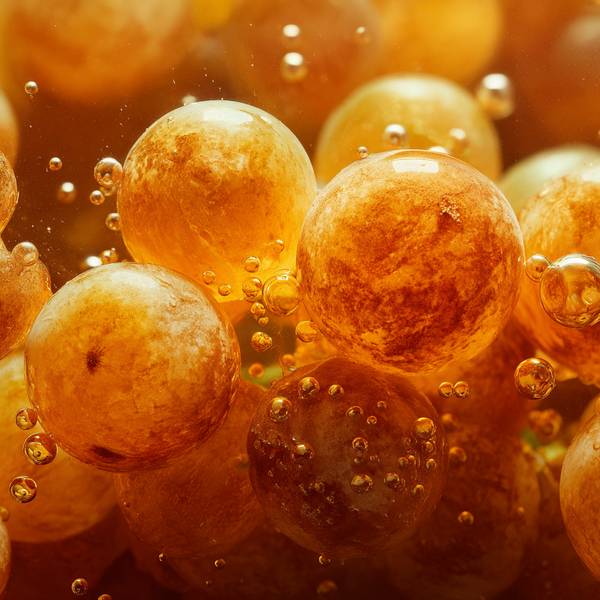
SKIN-CONTACT FERMENTATION
For modern orange wines, production focuses on fermentation technique.
White grapes ferment with their skins, extracting colour, tannin and texture. The longer the skins remain in contact, the deeper the colour and structure become.
Why Orange Wine Has Texture
Texture in orange wine comes from different sources depending on the style.
In skin-contact wines, grape skins release tannins, creating a slightly drying sensation similar to light red wine or strong tea.
In oxidative styles such as Vino de Naranja, the richness comes from ageing, oxidation and concentrated fruit flavours rather than tannin. This produces a rounder mouthfeel with layered aromatic complexity.
Why Some Orange Wines Are Cloudy
Some orange wine is unfiltered, meaning natural sediment remains in the bottle. This can give a cloudy appearance.
This isn’t a fault or spoilage. It’s often linked to low-intervention or natural winemaking approaches where minimal processing is preferred.
What Does Orange Wine Taste Like?
There is no single flavour profile for orange wine. Skin-contact wines are often structured and savoury, with herbal notes and firm texture.
FOOD PAIRINGS
Orange wine is famously versatile with food. The combination of acidity, aromatic richness and texture makes it work well with:
- Spicy dishes
- Roasted vegetables
- Hard cheeses
- Mediterranean cooking
- Middle Eastern dishes
The balance of richness and freshness helps it stand up to bold flavours.
How to Serve Orange Wine
Temperature: Serve orange wine cool, but not fridge-cold – around 10–13°C allows aromas and texture to show properly.
Glassware: A standard white wine or universal wine glass works well.
Decanting: Structured orange wines can benefit from air. A short decant can soften tannins and open up aromatics.
Why Orange Wine Became Popular
Interest in orange wine has grown significantly over the last decade, partly through the natural wine movement and partly through renewed curiosity about traditional styles.
While many drinkers discover the category through modern skin-contact wines, historic styles such as Vino de Naranja show that orange-inspired wines have been part of European winemaking traditions for centuries.